
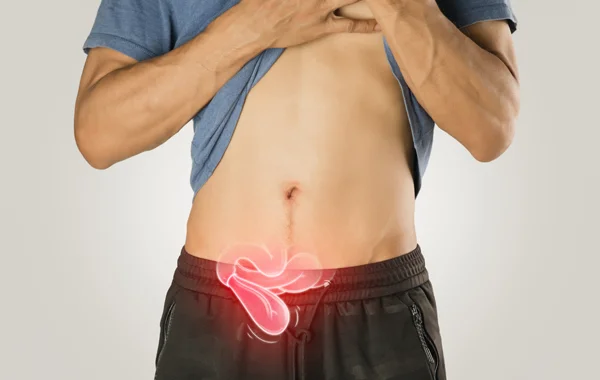
A hernia occurs when an internal organ or tissue pushes through a weak area in the surrounding muscle or connective tissue. It commonly appears as a bulge in the abdomen or groin area and may cause pain or discomfort, especially during physical activity. Hernia is a common surgical condition that should be treated at the right time to prevent complications. At Shalya Clinic, hernia surgery is performed using advanced laparoscopic and minimally invasive techniques to provide effective treatment and faster recovery. Patients are carefully evaluated to determine the type and severity of the hernia before surgery is recommended. Modern surgical methods help repair the weakened muscle area and prevent recurrence. The procedure is safe and widely performed with successful outcomes. Proper guidance is provided before and after surgery to support recovery. Early treatment helps patients return to normal activities comfortably and safely.
Hernia surgery is a procedure performed to repair the weakened muscle wall and reposition the protruding tissue or organ back to its proper place.
Weak abdominal muscles
Heavy lifting
Chronic coughing
Obesity or excess weight
Previous surgery weakness
Straining during activities
Visible bulge in abdomen
Pain or discomfort
Swelling in groin area
Heaviness in abdomen
Pain during lifting
Burning sensation
Hernia is usually treated through surgical repair, which can be done using laparoscopic or open surgery methods. The weakened muscle area is strengthened, often using a surgical mesh, to prevent the hernia from coming back.
1. Can a hernia heal without surgery?
No, hernias usually require surgical treatment.
2. Is laparoscopic hernia surgery safe?
Yes, it is a commonly used and safe technique.
3. How long does hernia surgery take?
Typically around 30–60 minutes.
4. How long is recovery after surgery?
Most patients recover within 1–2 weeks.
5. Can hernia come back after surgery?
Recurrence is rare with proper repair and care.
6. Is hospitalization required?
Some procedures are done as daycare surgery.
7. What activities should be avoided after surgery?
Heavy lifting should be avoided for some time.
8. When should I consult a doctor?
If you notice a bulge or pain in the abdomen or groin area.


Comments
Be the first to review