
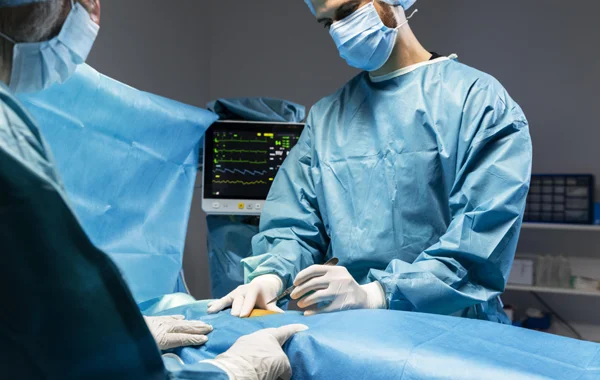
Appendix surgery, also known as appendectomy, is performed to treat appendicitis, a condition in which the appendix becomes inflamed and infected. This condition can cause severe abdominal pain and requires timely medical attention to prevent complications. At Shalya Clinic, appendix surgery is performed using advanced and minimally invasive techniques to ensure safe treatment and faster recovery. Early diagnosis and prompt surgical care help prevent rupture of the appendix and other serious health risks. Patients undergo proper medical evaluation, imaging tests, and consultation before surgery is recommended. Modern laparoscopic procedures allow smaller incisions and less postoperative discomfort. The surgical team focuses on patient safety, precision, and smooth recovery. After surgery, patients are guided with proper post-operative care instructions. With timely treatment, most patients recover quickly and return to normal activities.
Appendix surgery is a procedure performed to remove the appendix when it becomes inflamed or infected due to appendicitis.
Blockage in appendix
Infection in appendix
Swelling or inflammation
Bacterial growth
Digestive tract obstruction
Delayed medical treatment
Severe abdominal pain
Pain near lower right abdomen
Nausea or vomiting
Fever
Loss of appetite
Abdominal swelling
The main treatment for appendicitis is surgical removal of the appendix. This is usually done through laparoscopic surgery, which involves small incisions and faster healing compared to traditional surgery.
1. Is appendix surgery urgent?
Yes, appendicitis often requires immediate surgery.
2. Is laparoscopic appendix surgery safe?
Yes, it is a common and safe procedure.
3. How long does the surgery take?
Usually around 30–60 minutes.
4. How long is the hospital stay?
Most patients stay for 1–2 days.
5. How long does recovery take?
Recovery usually takes about 1–2 weeks.
6. Can a person live without an appendix?
Yes, the appendix is not essential for survival.
7. Are there risks if appendicitis is untreated?
Yes, it can lead to rupture and serious infection.
8. When should I see a doctor?
If you have sudden severe abdominal pain.



Comments
Be the first to review