
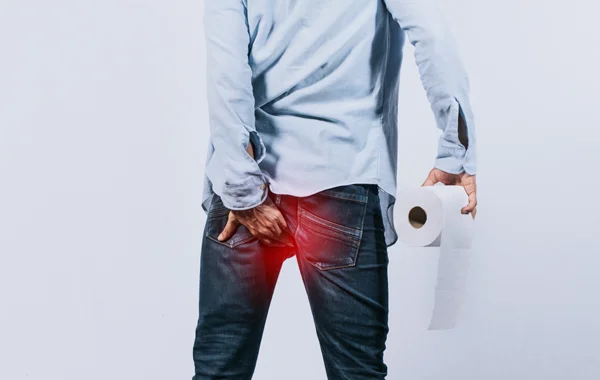
Piles, fissures, and fistula are common anorectal conditions that can cause pain, discomfort, and difficulty in daily life. Many people hesitate to seek treatment due to embarrassment, but early medical care can prevent complications and provide relief. At Shalya Clinic, advanced and minimally invasive treatments are available for these conditions. Modern laser and minimally invasive procedures allow effective treatment with less pain and faster recovery. Patients receive proper diagnosis to determine the exact condition and stage of the problem. Treatment plans are customized based on individual health needs. Early care can significantly reduce symptoms and improve comfort. The clinic ensures patient privacy, safety, and supportive care during the entire process. With modern surgical techniques, treatment today is safer and more comfortable than before.
Piles (Hemorrhoids): Swollen veins in the rectal area.
Fissure: A small tear in the lining of the anus.
Fistula: An abnormal tunnel between the anal canal and skin.
Chronic constipation
Straining during bowel movement
Low fiber diet
Prolonged sitting
Obesity
Poor digestive health
Pain during bowel movement
Bleeding from rectum
Itching or irritation
Swelling near anus
Discharge or infection
Discomfort while sitting
Treatment depends on the severity of the condition. Mild cases may be treated with medication, diet changes, and lifestyle improvements. Advanced cases may require laser or minimally invasive surgical procedures that provide faster recovery and reduced pain.
1. Are piles and fissures the same?
No, they are different conditions affecting the anal region.
2. Is surgery always required for piles?
Not always; early stages may be treated without surgery.
3. Is laser treatment effective?
Yes, it is a modern and less painful treatment option.
4. How long does recovery take?
Most patients recover quickly with proper care.
5. Can these conditions return after treatment?
Recurrence can occur without lifestyle changes.
6. What foods help prevent piles?
High-fiber foods and proper hydration help.
7. Is the treatment painful?
Modern procedures minimize pain and discomfort.
8. When should I consult a doctor?
If you experience pain, bleeding, or discomfort regularly.



Comments
Be the first to review