
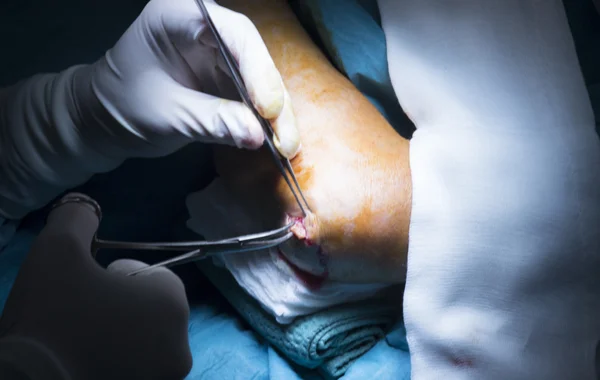
Soft-tissue tumors are abnormal growths that develop in tissues such as muscles, fat, nerves, or blood vessels. While many of these tumors are benign (non-cancerous), some may require surgical removal to prevent complications or further growth. Early detection and treatment play an important role in managing these conditions effectively. Modern surgical techniques allow doctors to remove tumors safely while preserving surrounding tissues as much as possible. A detailed diagnosis, imaging tests, and careful surgical planning help ensure the best outcomes for patients. Treatment is personalized based on the type, size, and location of the tumor. Surgical care today focuses on precision, safety, and faster recovery. Patients are guided throughout the process, from diagnosis to post-surgery follow-up. Proper care helps reduce discomfort and improve long-term health outcomes.
Soft-tissue tumor surgery is a procedure performed to remove abnormal growths that develop in soft tissues such as muscles, fat, connective tissues, or blood vessels.
Abnormal cell growth
Genetic factors
Tissue injury history
Certain infections
Unknown medical causes
Rare underlying diseases
Lump or swelling
Pain near the lump
Gradual growth of mass
Restricted movement
Pressure on nearby tissues
Discomfort in affected area
Treatment usually involves surgical removal of the tumor. In many cases, minimally invasive or carefully planned surgical techniques are used to remove the tumor completely while protecting surrounding tissues. Additional treatment may be advised depending on the diagnosis.
1. Are all soft-tissue tumors cancerous?
No, many soft-tissue tumors are benign.
2. When is surgery recommended?
When the tumor grows, causes pain, or affects nearby tissues.
3. Is the surgery complicated?
Most procedures are safe with proper planning.
4. Will the tumor return after surgery?
Recurrence depends on the type of tumor.
5. How long does recovery take?
Recovery time varies based on the size and location of the tumor.
6. Is hospitalization required?
Some cases may require short hospital observation.
7. Can tumors be detected early?
Yes, through medical examination and imaging tests.
8. When should I see a doctor?
If you notice any unusual lump or swelling in the body.



Comments
Be the first to review